Bio Gardeners Platform
Role : UX/UI Designer
Time : 2 weeks
Tools : Figma
*
THE PROBLEM
Urban eco-gardeners often produce more fruits and vegetables than they can consume, yet have no structured or trustworthy way to share, trade, or donate the surplus. Simultaneously, many of them lack a reliable community space for exchanging advice about organic gardening.
THE PROCESS
DISCOVERY

DESK RESEARCH
To build a foundational understanding, I reviewed existing literature, articles, and online forums dedicated to urban gardening, sustainable agriculture, and local produce exchange. I explored platforms like OLX, Facebook gardening groups, and local co-ops to examine how people were currently managing their surplus produce and connecting with others. I also researched existing produce-sharing initiatives in Europe.
Key findings:
Most existing solutions are fragmented and lack trust-based systems.
Many gardeners voiced concerns around food safety, trust, and reliability.
Offline exchange systems (e.g., neighborhood swaps) lacked scalability and visibility.
This research confirmed that while interest in urban gardening and sharing was high, there was no central or seamless system addressing both produce sharing and knowledge exchange.
User Interviews
I conducted interviews with 5 individuals passionate about urban gardening and eco-living. My goal was to uncover their motivations, frustrations, and daily routines.
Emerging insights:
90% admitted their excess produce often went to waste.
They lacked a structured way to offer or request surplus harvest.
There was a deep desire to build community and exchange not only goods but knowledge.
DEFINE
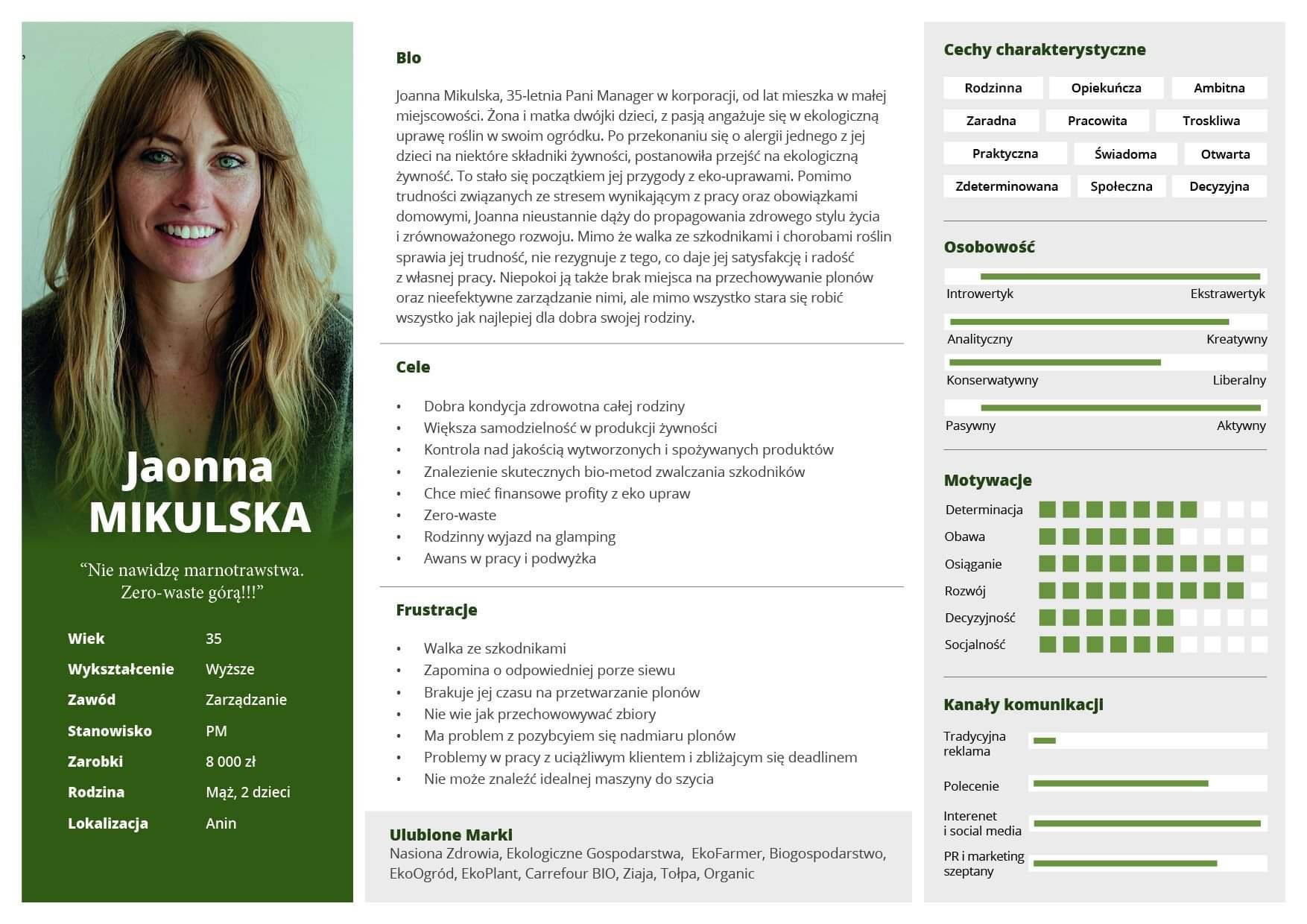
PERSONA
Based on interview insights a main persona emerged - Anna, a 34yr old urban gardener with a deep commitment to sustainable living. She grows her own vegetables in a small city plot and often ends up with more produce than she can use. While she’s passionate about the eco-lifestyle, she lacks access to a trustworthy community where she can offer her extras and get advice from like-minded people. Anna values simplicity, authenticity, and real human connection.
Creating this persona gave me a strong foundation to design with empathy and keep real users in mind throughout the process.
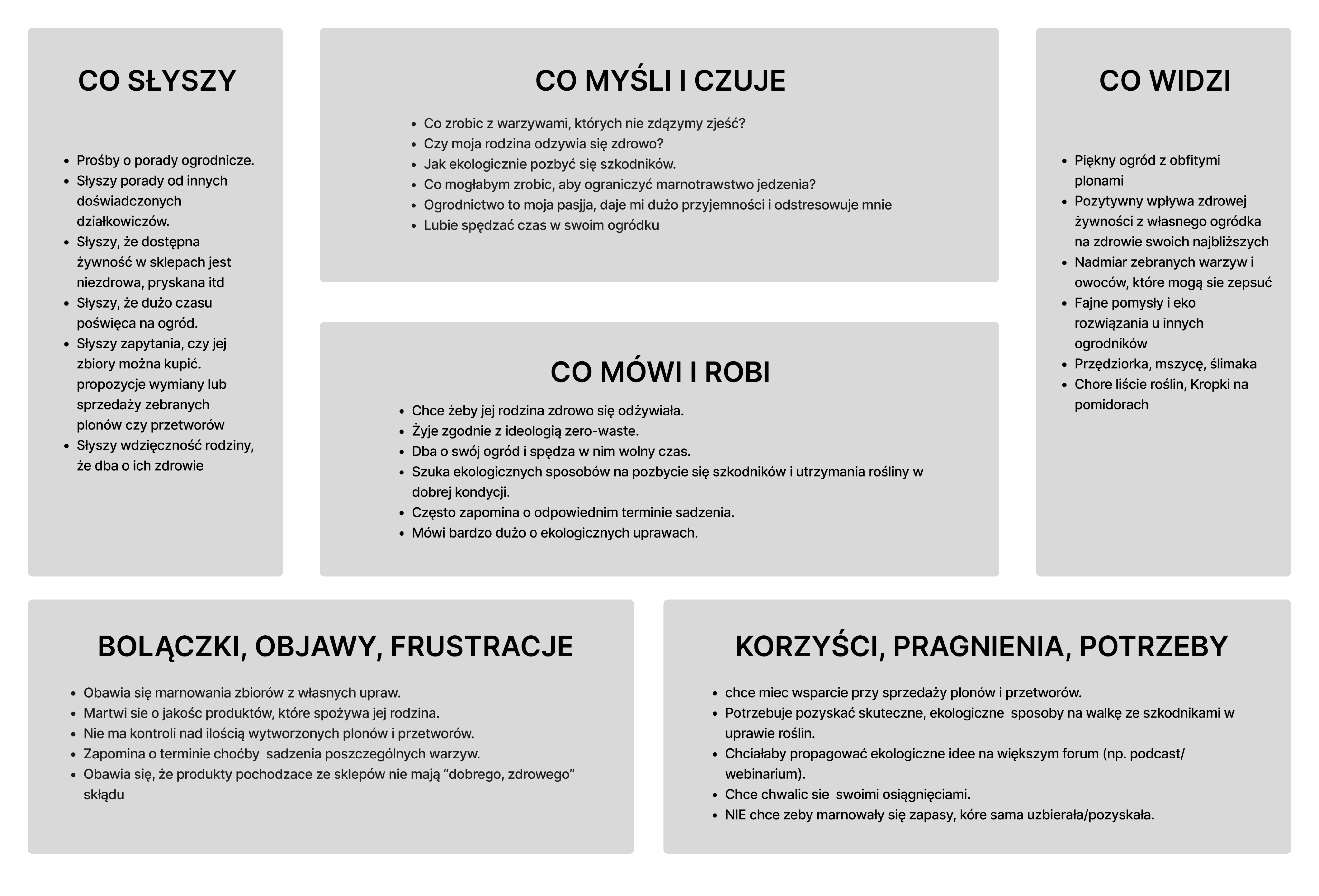
EMPATHY MAP
The empathy map was built using insights from the interviews and observational notes. It allowed me to dive deeper into users’ emotional and behavioral landscapes—what they say, do, think, and feel in the context of their gardening habits and community engagement.
This process helped me identify emotional drivers behind sharing and connection, which shaped the design of features like the produce exchange system and community board. The empathy map made it easier to focus on creating a solution that truly speaks to users’ values—not just their tasks.
IDEATE
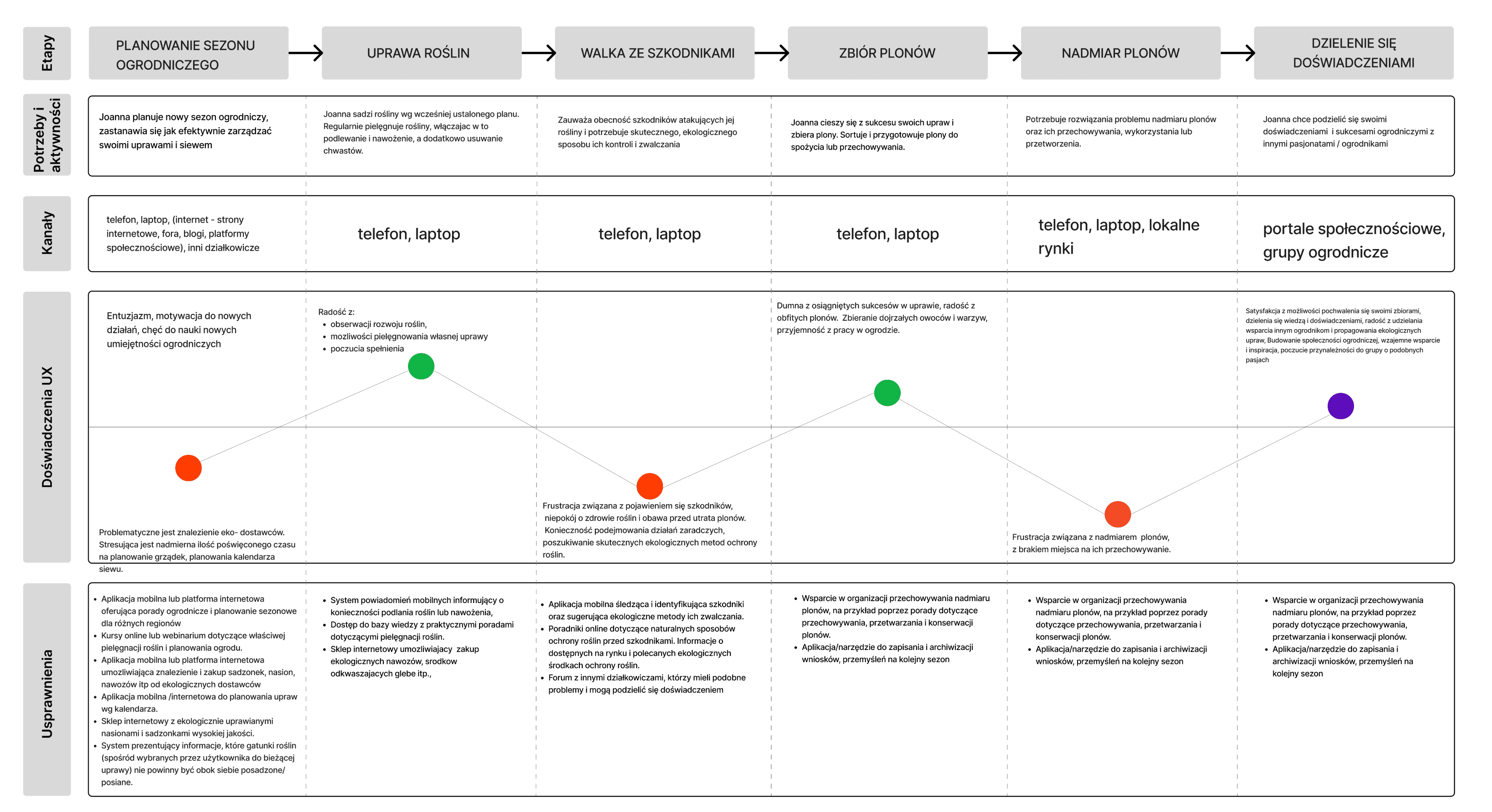
USER JOURNEY MAP
I mapped out Joanna’s journey from the moment she notices she has too much produces to the point where she shares her experiences with fellow gardeners and gains advice on how to prevent parasites next season. This journey highlighted friction points—like lack of visibility, trust, and too much manual coordination.
DESIGN
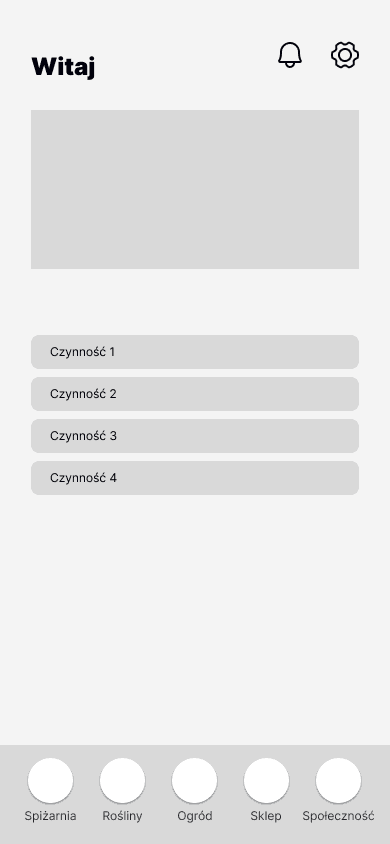
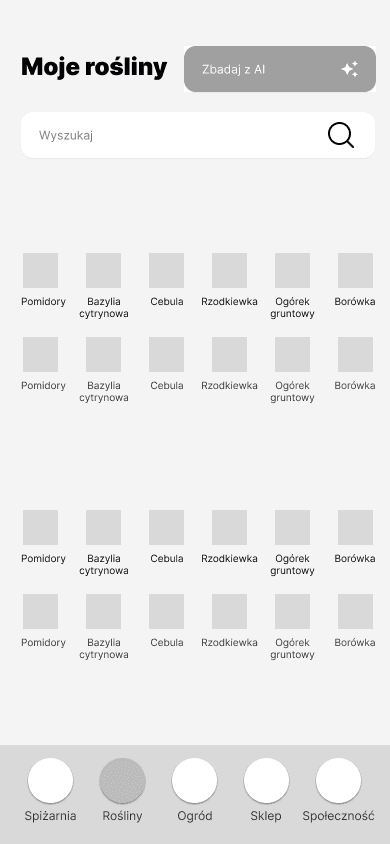
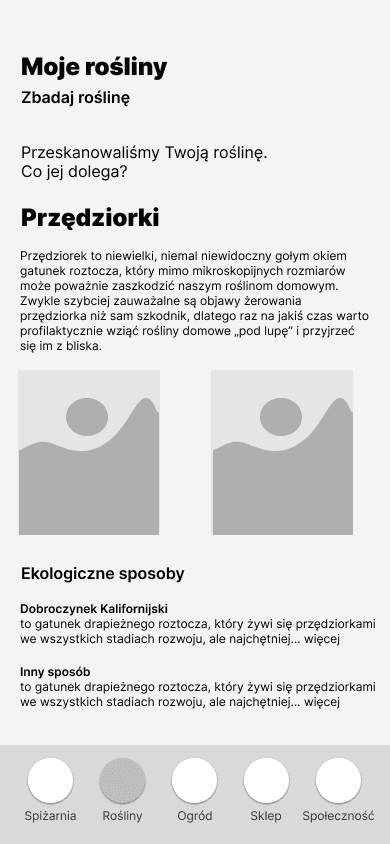
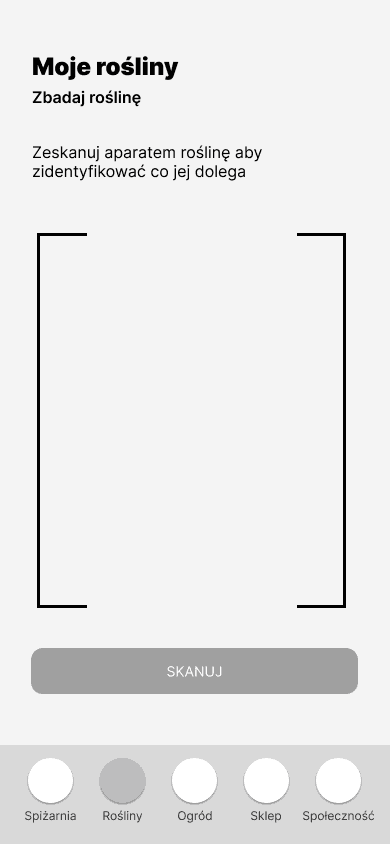
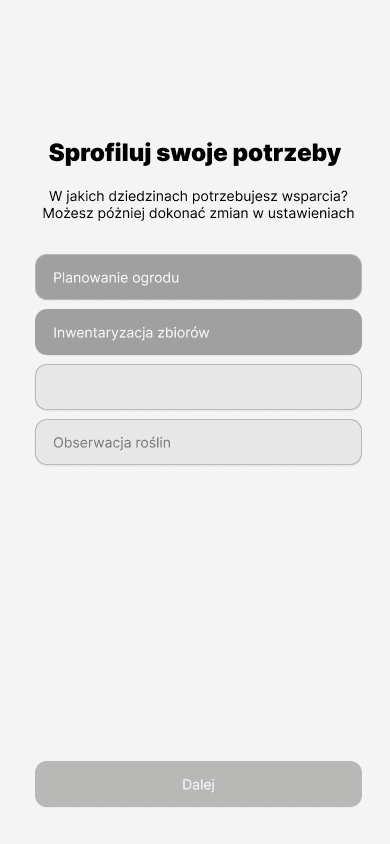
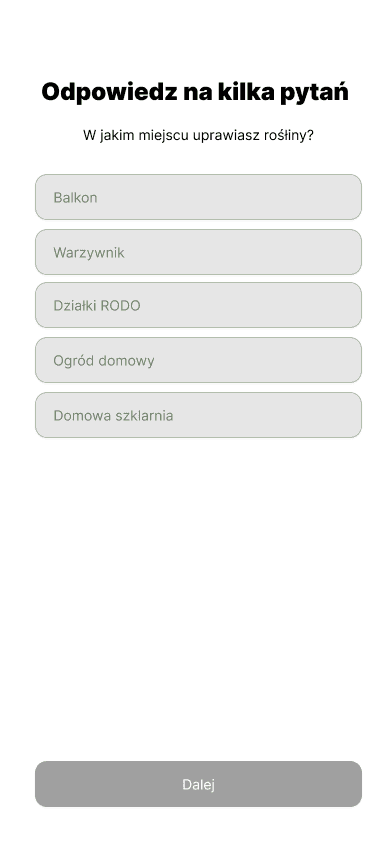
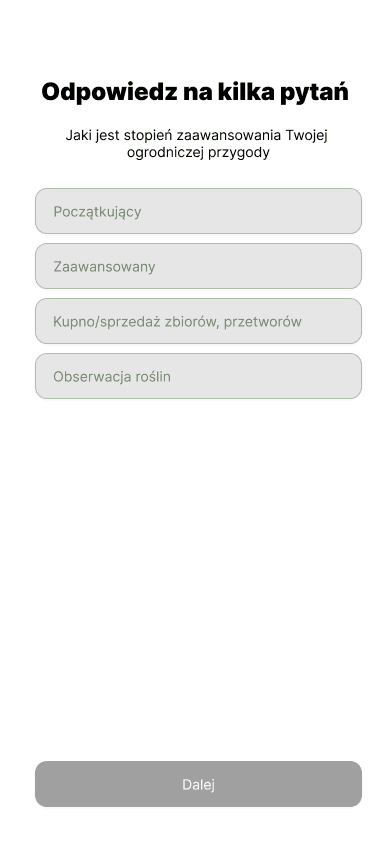
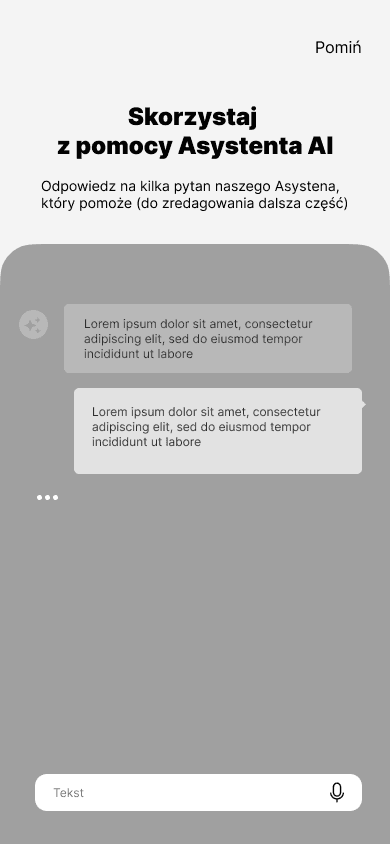
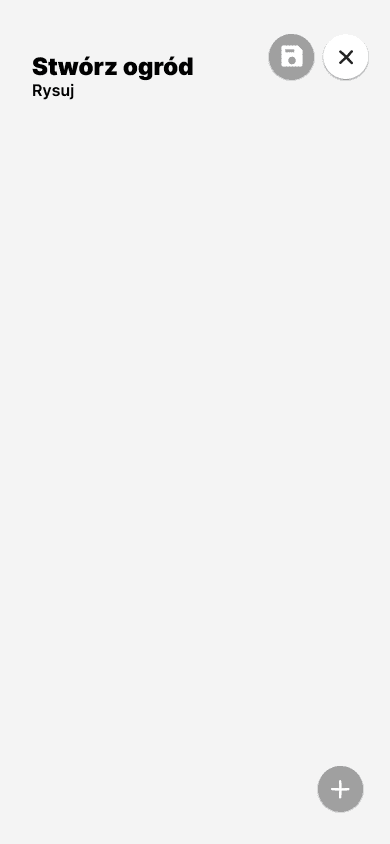
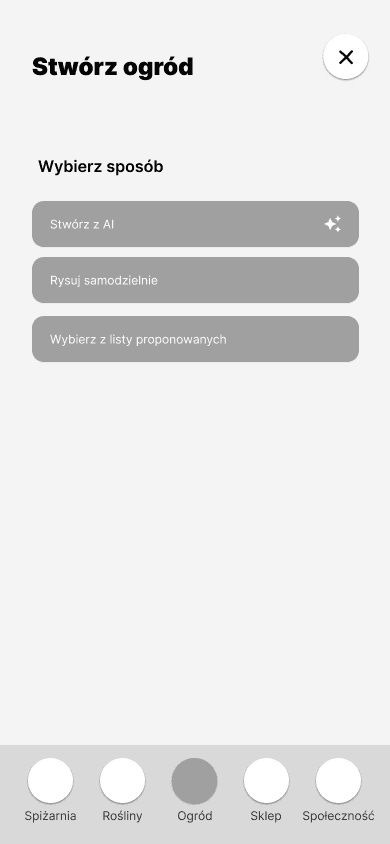
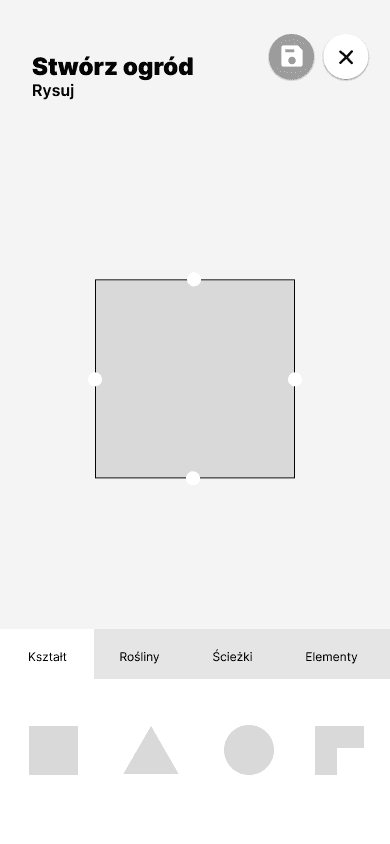
LOW FIDELITY WIREFRAMES
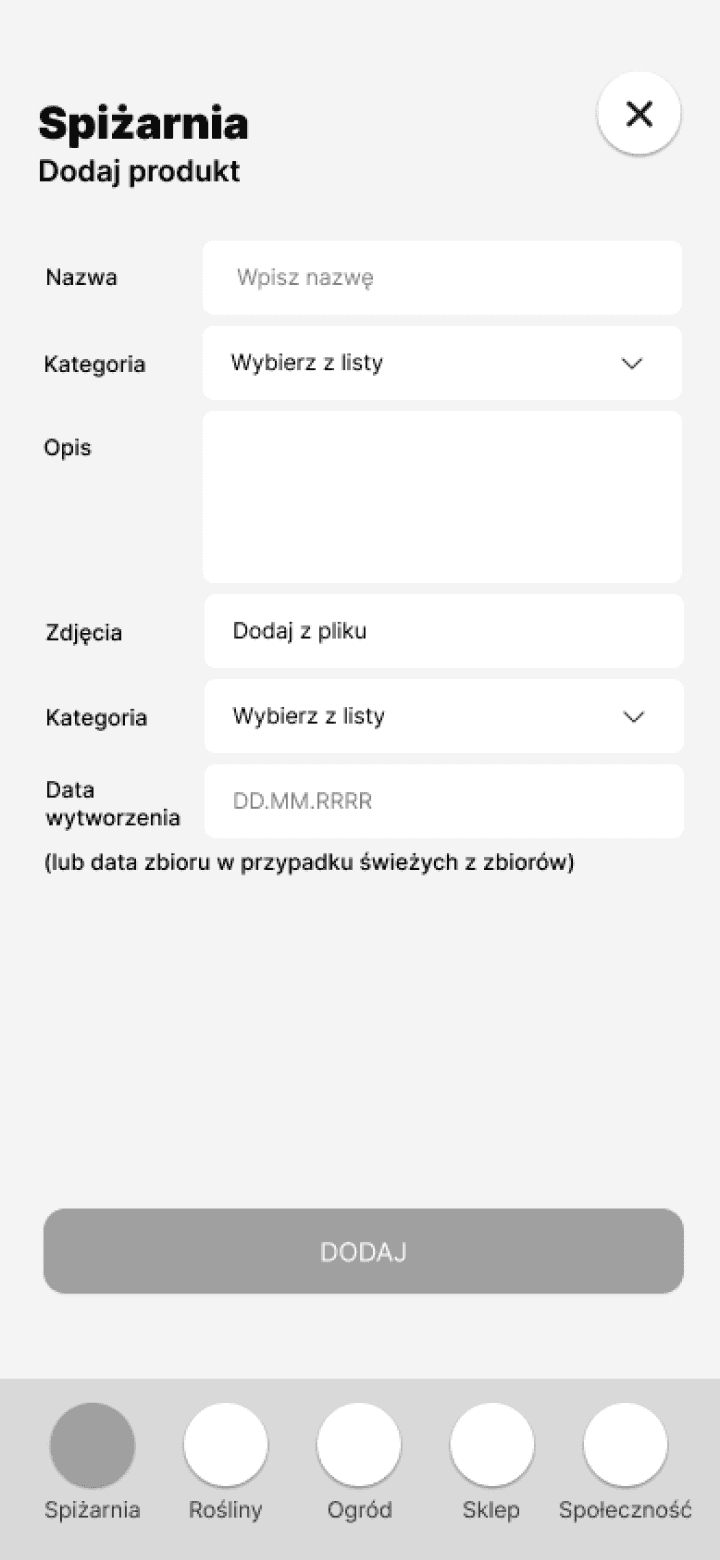
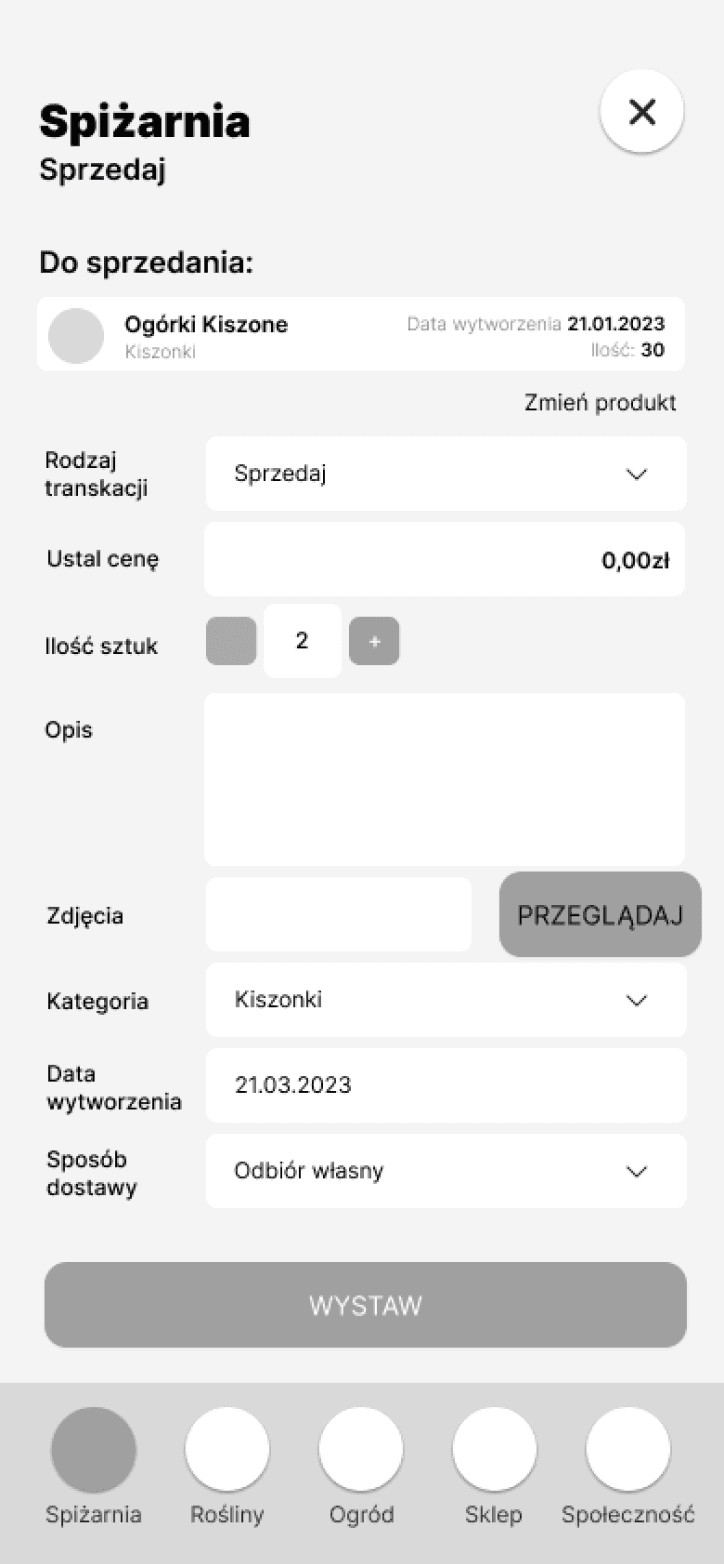
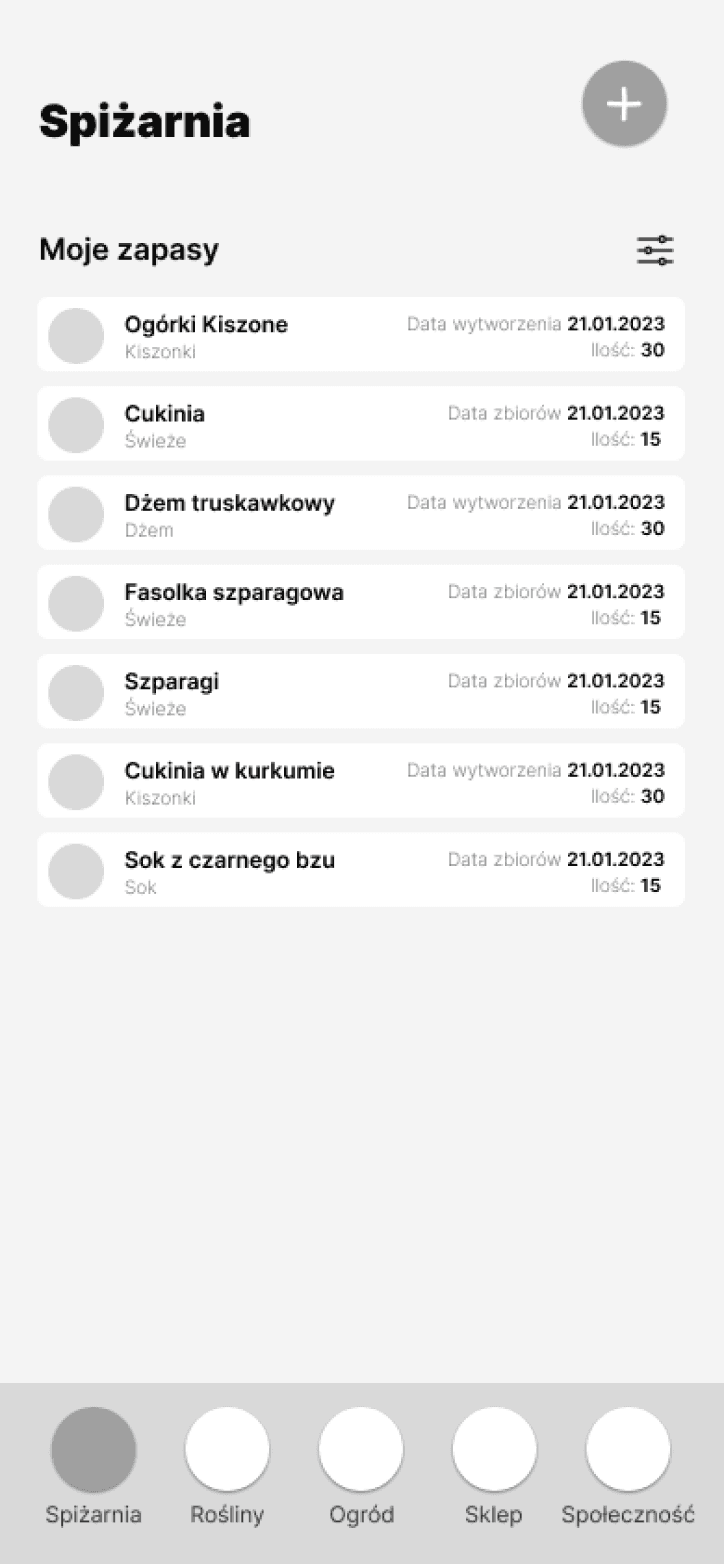
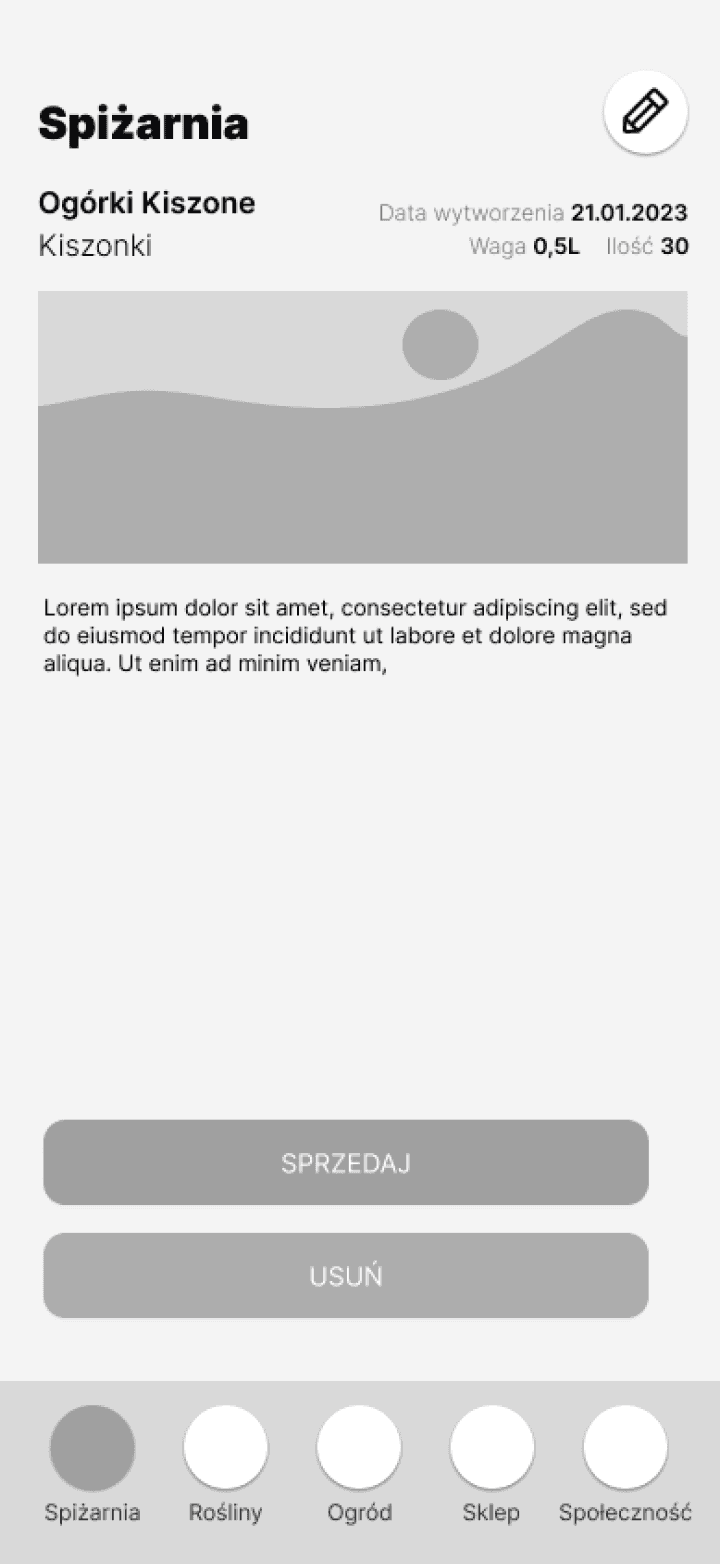
Before moving into polished visuals, I mapped out the platform’s key flows in low-fidelity wireframes.
HIGH FIDELITY WIREFRAMES
Once the foundation was clear, I translated the flows into high-fidelity wireframes. These focused on clarity, warmth, and trust — values core to both local farming and online purchasing.
This case study demonstrates how robust qualitative discovery—interviews, research, mapping—can shape a product vision long before screens are designed. By deeply empathizing with users and understanding the landscape of eco-gardening, I laid the foundation for a meaningful, values-driven platform idea. Even without a visual prototype, this project showcases how strategic UX work can bring clarity, cohesion, and community potential to early-stage concepts.